Waste-to-energy plays an important role in how residual waste is managed in Ireland. At Allied Recycling, recycling is always prioritised, but not all waste can be recycled. When materials reach the end of their recycling potential, waste-to-energy provides a responsible alternative to landfill.Residual waste collected by Allied Recycling is directed to licensed facilities where it is either converted into energy through controlled incineration or processed into Solid Recovered Fuel (SRF) for use in industrial energy systems
What Is Residual Waste?
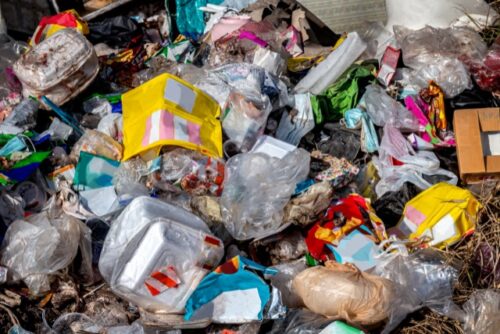
Residual waste is what remains after all practical recycling has taken place. This can include:
- Mixed or contaminated packaging
- Non-recyclable plastics
- Soiled paper and card
- Timber, fabrics, and composite materials
Sending this waste to landfill is the least sustainable option. Waste-to-energy ensures it is treated responsibly while recovering value from materials that would otherwise be discarded.
How Waste-to-Energy Works in Practice
n Ireland, residual waste is treated in modern, regulated facilities where it is combusted at high temperatures. The heat generated is used to produce electricity, which is fed into the national grid.
These facilities also recover:
- Metals for reuse
- Ash that can be processed into construction materials
- Heat that can support district heating networks
This process significantly reduces waste volume while supporting energy generation.
Solid Recovered Fuel (SRF)
Some residual waste is processed into Solid Recovered Fuel (SRF) rather than being incinerated directly.
SRF is produced from non-recyclable materials such as plastics, paper, cardboard, timber and fabrics. It is manufactured to strict specifications, including calorific value, moisture content and chemical composition.
SRF is used to replace fossil fuels in energy-intensive industries, such as cement production. This transition helps reduce reliance on coal and other fossil fuels while lowering overall carbon emissions.For every tonne of SRF produced and used, approximately one tonne of CO₂ emissions is avoided compared to traditional fossil fuels.
Does Waste-to-Energy Work?
Yes. Waste-to-energy is a proven and effective solution for managing residual waste in Ireland.
It:
- Reduces landfill dependency
- Generates reliable baseload electricity
- Supports lower carbon energy systems
- Recovers materials that would otherwise be lost
Waste-to-energy does not replace recycling. Instead, it ensures that waste which cannot be recycled is managed responsibly and sustainably.
Allied Recycling’s Approach
Allied Recycling follows a clear waste hierarchy:
- Reduce and reuse where possible
- Maximise recycling
- Recover energy from residual waste
- Avoid landfill wherever feasible
By using waste-to-energy and SRF solutions, Allied Recycling helps businesses manage waste in line with Irish environmental regulations while supporting a more sustainable waste system.